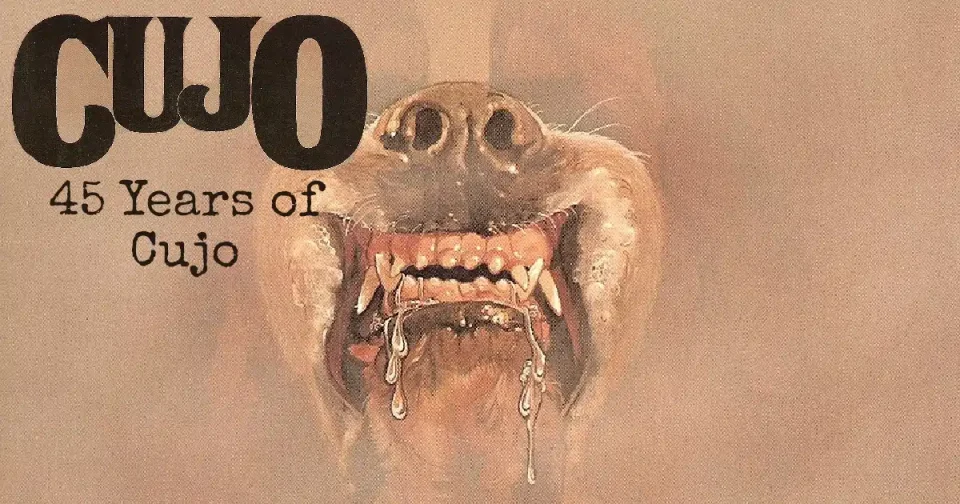

Dogs are as synonymous with unconditional love as Stephen King is with horror.
In recognition 45 years of Cujo, (315 in dog years), Stephen King takes advantage of our fondness for these companions. A sweet Saint Bernard is infected with rabies. In the now eight King novels I’ve read (tenth if you count novellas The Mist and The Life of Chuck), this is his best blend of heartbreak and terror, and it has everything to do with the titular dog’s loss of self. This corruption of man’s best friend reveals itself to be not just a traditional “Man vs. Beast” narrative, but rather a unique take on the possession genre, one as tragic as it is singular.
The King of Possession?
King is no stranger to exploring possession and his work in the subgenre often feels satisfyingly personal. As the state of one’s will being overruled by an outside force, possession often doubles as metaphor for addiction. King has been open about his personal battles with substance abuse. When he released Cujo in 1981 he was still in the throes of it, and he’s since admitted to having little memory of writing the book.
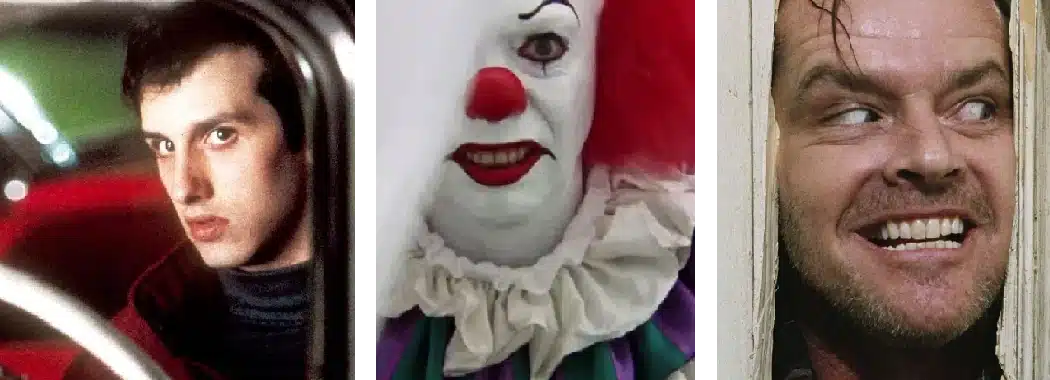
There’s a contextual weight to his work here as well as his other novels that dabble with possession. There’s 1983’s Christine, which finds Arty Cunningham under the seductive influence of an evil car. Pennywise hypnotizes multiple people to execute his will in 1986’s IT. And most notably in his classic 1977 novel The Shining, Jack Torrance loses himself to malevolent forces at the Overlook Hotel as well as his own alcoholism.
Beyond King, the most popular form of possession in media relates to demons of the biblical sense taking root in innocents. Cujo is innocent too, but the force that takes hold of him is something more grounded in real life. Rabies is a very real, very vicious disease that chews away at the nervous system. Most domesticated animals are required to be vaccinated for it. Cujo was not.
Rabies: A Real Life Terror
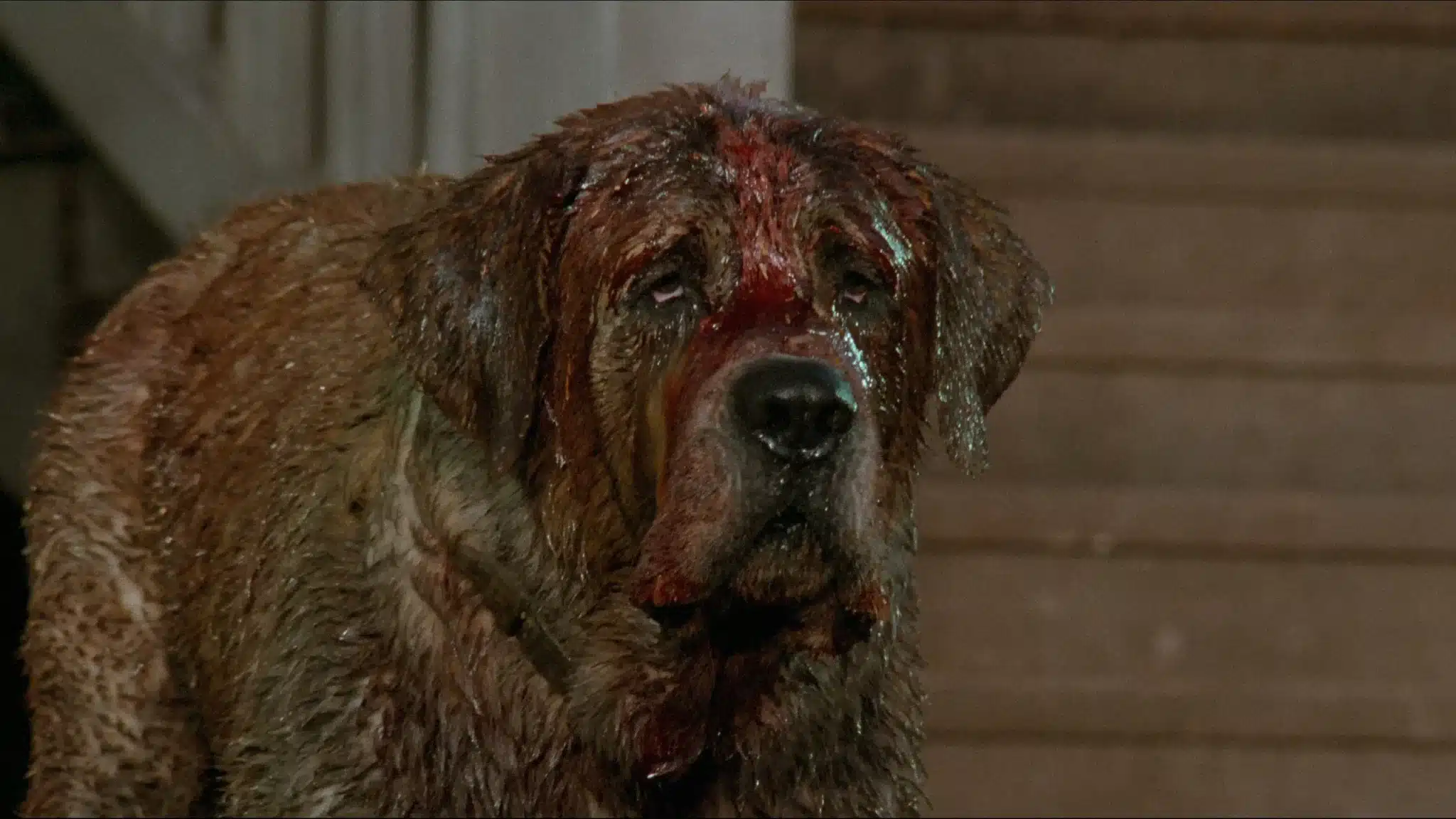
Bit by a rabid bat early in the novel, King grants the reader a peek into the Saint Bernard’s good nature just as it slips away. King is always adept at writing from varying points of view, but this is the first time I’ve encountered him tackle the conscience of an animal. He keeps Cujo’s thought process appropriately simple, but not silly. The dog’s world revolves around his “trinity”: the MAN, WOMAN, and BOY of the Camber family. He would do anything for them.
When he loses control over his own thoughts and instincts, he’s aware of it. He doesn’t know why he has a sudden impulse to hurt those around him. He wants to get rid of that “BADDOG” feeling, but more and more he can’t shake it.
When Cujo’s only just beginning to exhibit symptoms, King writes, “Everything in Cujo’s life should have been right, but somehow it wasn’t. He just didn’t feel good at all.”
It’s a hint at what the reader knows is coming: a nearly 200-pound dog in his prime transforming into a killer. But King never loses the horror underneath the surface of this threat: this good boy is stripped of his own mind and tormented by what replaces it.
Tension When Everyone Knows Where the Plot is Going
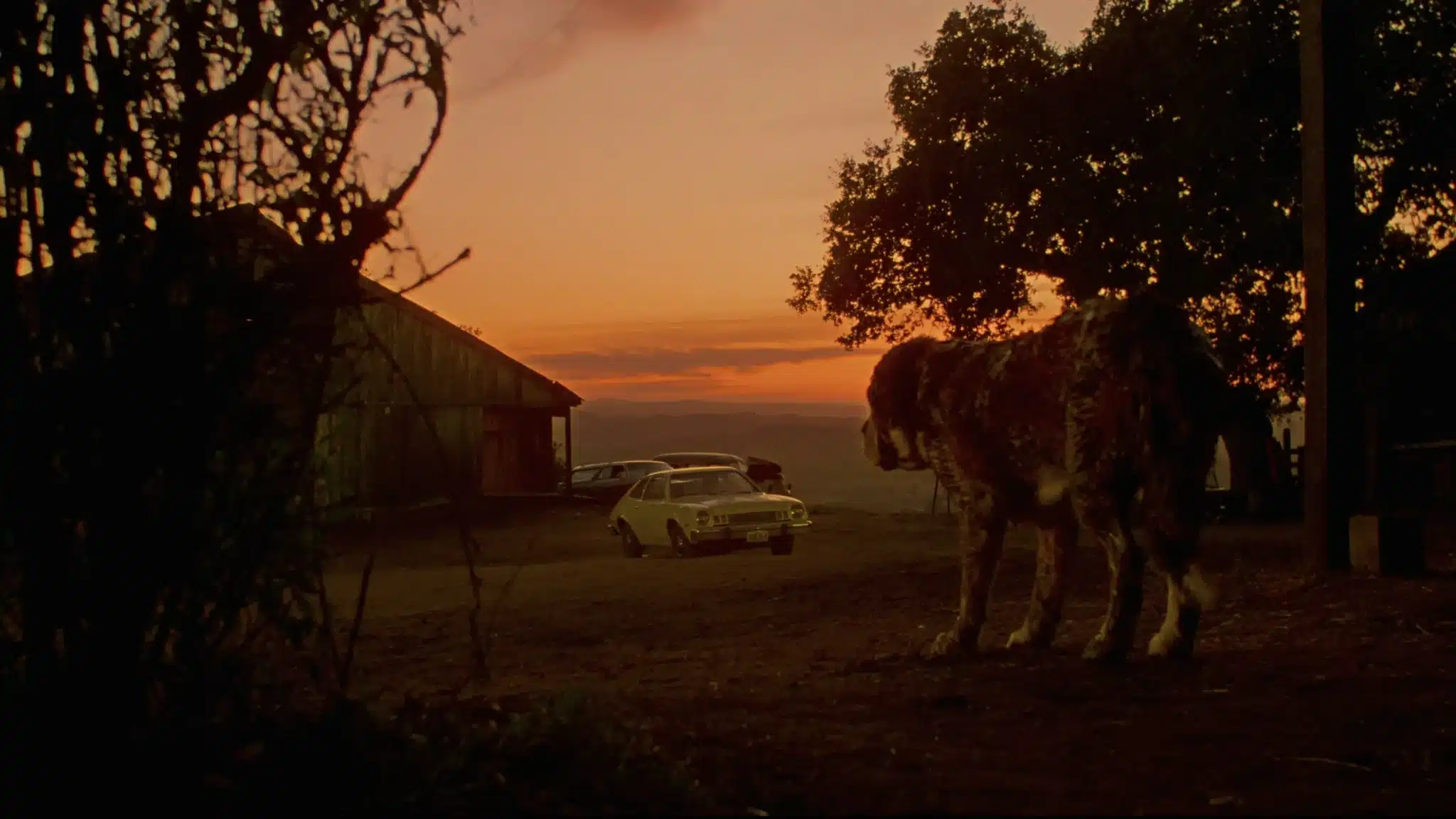
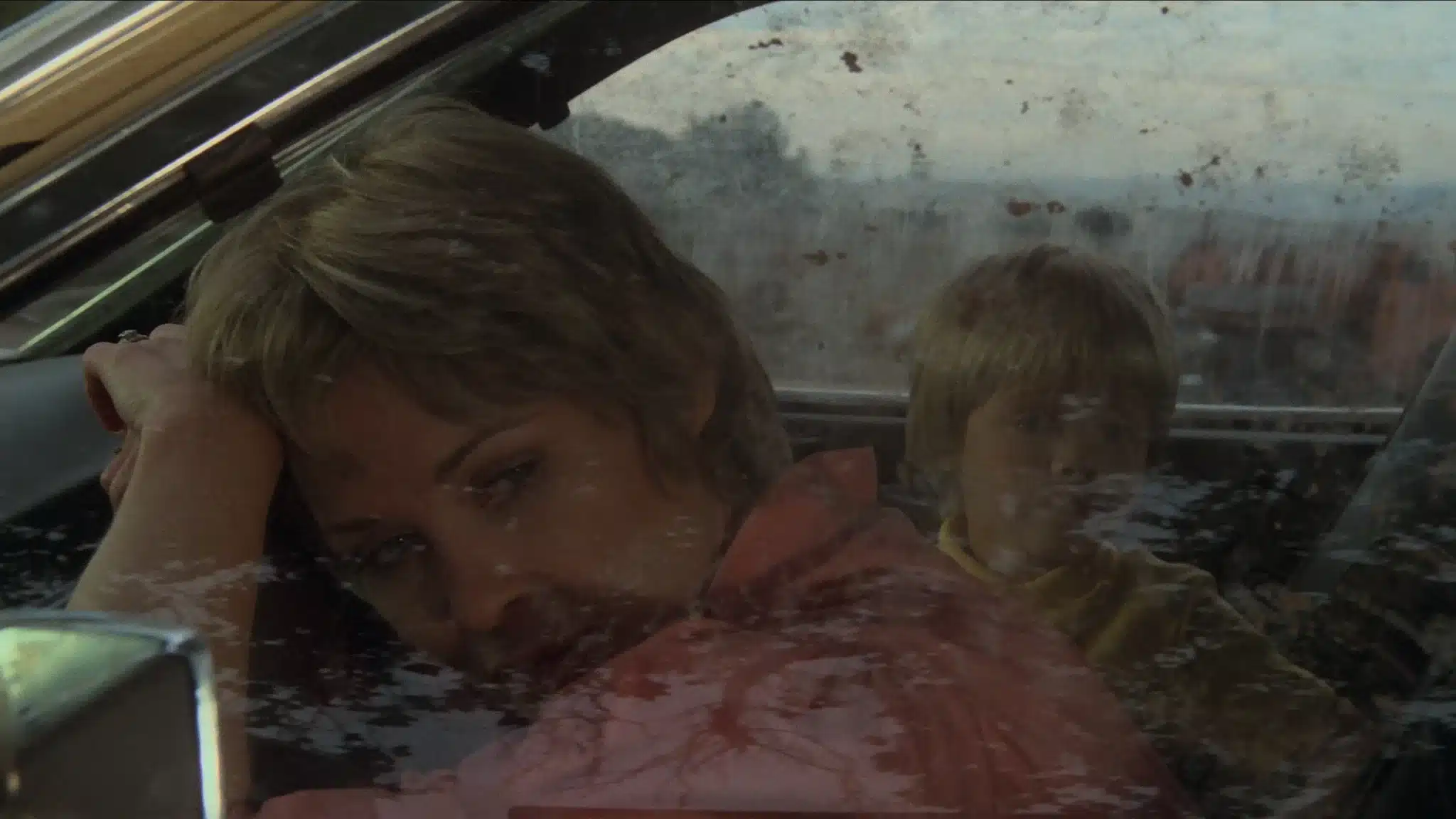
The punchline of the story is telegraphed early and often. That’s not a problem. Anyone that picks up this novel and sees the cover knows its general direction. The question is how will it unfold and who will be left by the end? Effectively ominous foreboding gives way to violence, culminating in a siege story. Donna Trenton and her young son Tad are stranded in a broken down car with the ravenous canine roaming just outside – all of it during a historic stretch of Maine summer heat.
Even in a comparatively short novel such as this (the paperback edition I read clocked out at 304 pages), King is to patiently control this descent into chaos by intermingling it with other slices of character lives. King uses a unique structure here; there are no labeled chapters. It’s just sections of separated text divided by differing character perspectives.
Some subplots are bogged down with beats that struggle to justify their real estate, but these consistent fluctuations of character focus build out Castle Rock while developing a perfect storm that feels properly paced and earned. Subplots of marital strife, class insecurity, and food marketing turmoil sprinkle the pages, the latter of which featuring a commercial slogan from a cereal professor that becomes a motif for the story: “Nope, nothing wrong here.”
There definitely is.
The Devil’s in the Zingers
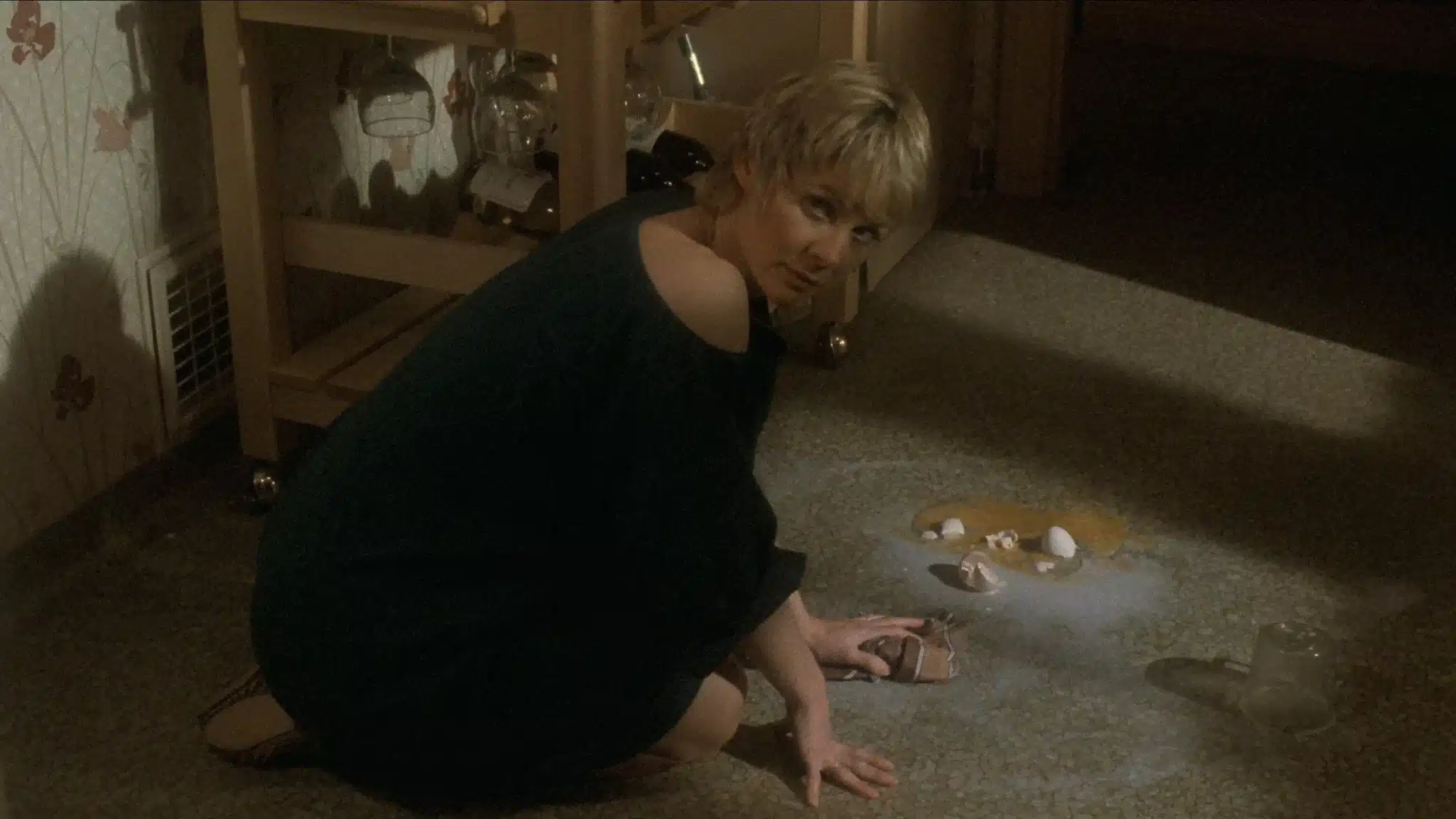
Donna’s husband Vic designed the professor character to sell boxes of Red Razberry Zingers. Unfortunately, a random food dye malfunction in a batch of these Zingers causes a panic as kids are puke blood-looking red across the country. Something as small as artificial red coloring – something completely out of Vic’s control – flips his career and life on its head.
The devil is in the details, as they say, and King has fun making deadly mountains from mole hills. If one of any number of unrelated circumstances had been slightly different, then the central characters would never have found themselves in this situation. It’s a conversation of coincidence versus control, and how the issues beneath the day to day lives of these people take authority of the situation.
Dangerous But Not Evil
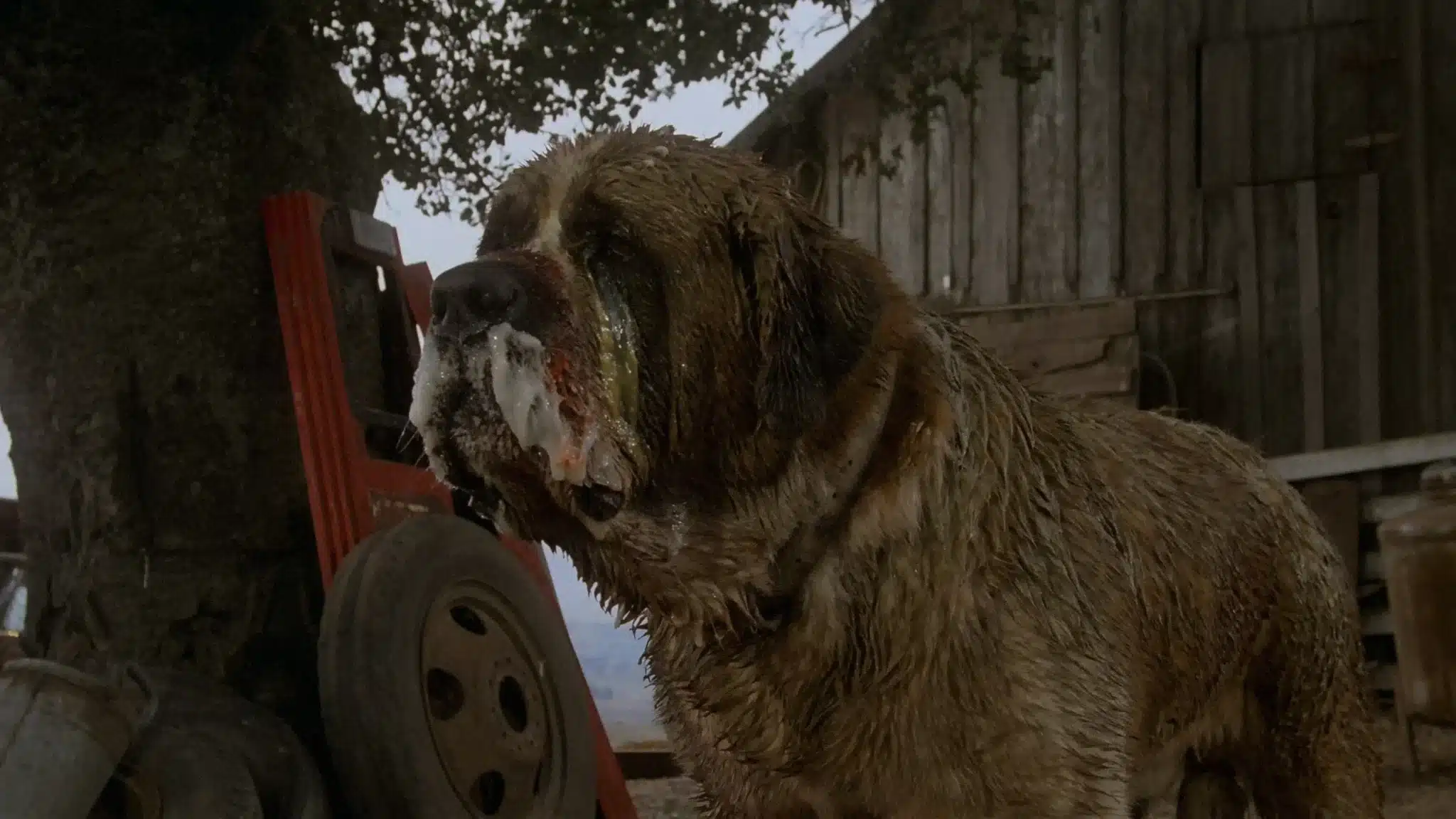
Cujo himself has no say in what happens to him. King states as much, saying, “He had been struck by something, possibly destiny or fate, or only a degenerative nerve disease called rabies. Free will was not a factor.”
The clarification is necessary, because when we revert back to his point of view, the look into how interprets the world post-infection is disturbing. His sections are glimpses into a tortured, blood-lusted mind. It reminded me of how the rage virus is developed in this year’s 28 Years Later: The Bone Temple.
The monster’s tormented perspective reframes the situation. Cujo not strictly evil, but rather a desperate need to end a confusing anguish. Everything hurts and everyone that moves or makes a sound is to blame. The unbridled rage makes you truly scared for the characters in his path, and when King unleashes him, the terror is some of his best he’s produced in any of his work.
You can only spend so long in a hot car without food or water – especially as a toddler – and that ticking clock adds pressure to the threat already at hand. Donna has to strategize the survival of Tad and herself, weighing her options: fight, flight, or keep waiting.
When Cujo is up close and personal, and Donna can smell the “world of death” on his breath, she wonders if it could be the monster that Tad warned her was in his closet. Or is he a punishment for her own transgressions? A police officer wonders if Cujo is the slain murderer reborn, an interesting bit of consistency with a previous King novel The Dead Zone.
What really made Cujo become this beast? King allows it to be none of the characters’ theories and all of them at once. Is it is the rabies? Is it the respective baggage these characters bring to the situation? Cujo isn’t a supernatural novel strictly speaking, but it’s open-minded. The door to that proverbial dark closet and the abyss within is left creaked open just enough for one to wonder.
Possession: Deeper Than Demons
Cujo’s sickness is something verifiable, and this story is one that could happen. It’s easy to relate to for most readers. Cujo could be your dog. He could also stand in for a person you care about. The awful things of the world, both deliberate and coincidental, can always “possess” something or someone we love. In Cujo, happenstance conspires to destroy Cujo’s soul, twisting it into something vile and dangerous.
Donna’s fear of growing old leads to her own critical mistakes. Human antagonist Steve Kemp lets his own insecurities seize control of his behavior, turning him into a human wrecking ball. King constructs that sort of possession tale here, one that sits in your stomach and churns up your own anxieties.
A Classic Among Classics
Cujo is not usually mentioned alongside the top picks in the author’s pantheon, but perhaps my lowered expectations are what allowed it to shock me like this. 45 years on, the novel hasn’t lost potency. Modern solutions that cellphones provide aside, the story could still occur today and the characters, both human and animal, are still strong and relatable.
Its legacy has also been cemented by its moderately successful film adaptation in 1983 directed by Lewis Teague. As far as Stephen King C-name titles go, it’s not quite as good as Brian De Palma’s Carrie but a bit better than John Carpenter’s Christine.
Dee Wallace is outstanding as usual as Donna and the utilization of a real dog for the majority of Cujo’s screen time makes him a rare movie monster that inspires equal amounts of sympathy and fear. That internal decay present in the pages makes the external consequences so compelling.
There’s nothing wrong with a simple monster book, and that’s what I expected, but Cujo has a deeper bite that’s left its mark long after I closed it.
As the cereal professor might say, “Yup, a lot is right here.”